This land is what I dream of becoming the future headquarters of the Animal Earth Alliance. Here is what is here now, and what I hope we can build together. It’s all still in the dreaming stage, and I’m so excited about it.
Why we call it the Common House
The Common House is the shared space everyone can use, while each person has a little space of their own. Its first name was MIR. Czech is part of my background, and in Czech, mír means peace. About nine or ten years ago, the house was built in hopes of becoming a community center. As it was being built and funded, it felt like a miracle. Peace is still at the heart of it: a place where people working for the animals and the earth can come together.
The Common House today
The Common House is the main building on the land. It is dried in and livable, but it isn’t finished. It has a wood stove that still needs to be installed, and there is a lot of finish work left to do. I would love to finish it this winter.
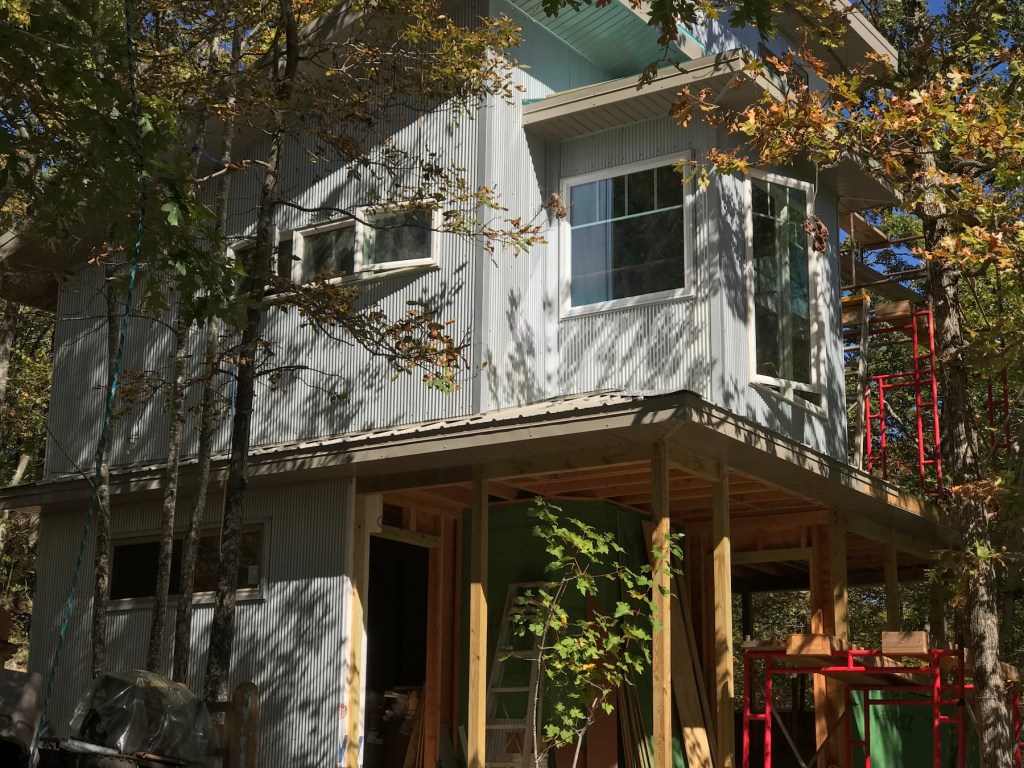
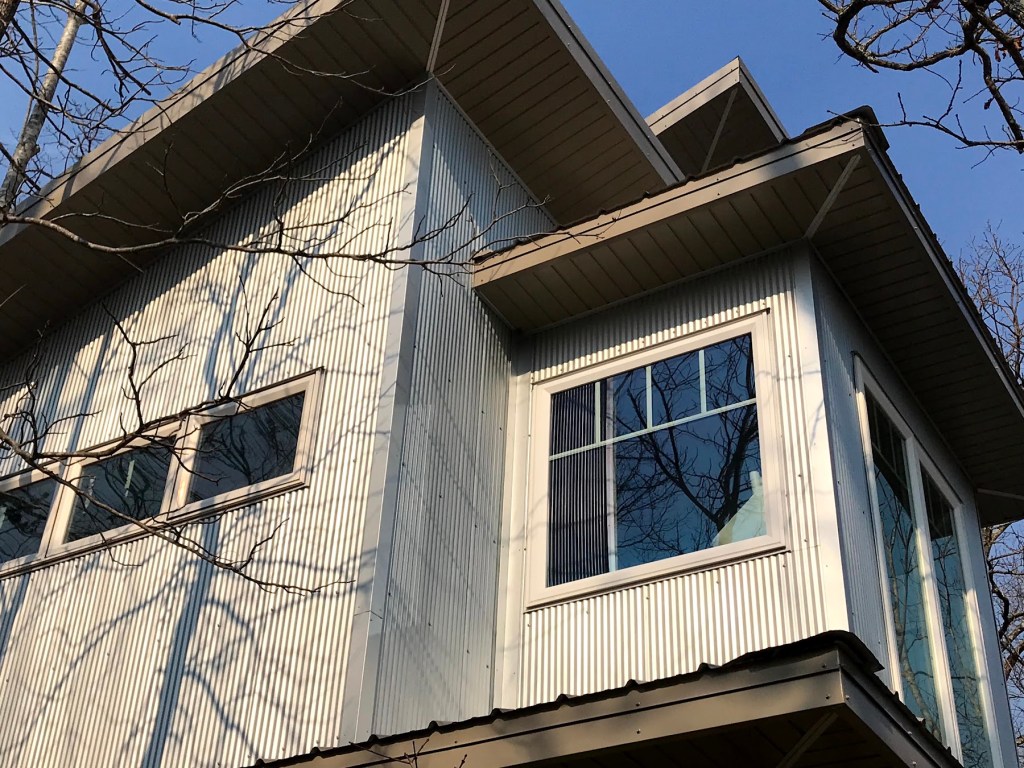
What the Common House could become
- A co-working space with computers, where people can do the work of the Alliance together
- A podcast studio and a YouTube studio
- A kitchen and dining room
- A library
- A meeting place, and a place to come together for prayer, meditation and spiritual gatherings
For now, it is the right size for a small group. Someday we will need something larger.
A little space of your own
Some people need privacy, and that is important to me. The land has so many nooks and crannies where people could have their own little spaces: tree houses, little huts and tiny cabins, built in every creative way possible so they blend into the land.
I’m working on making my van completely self-sufficient so I can live in it, and others could do the same. There are so many small wood stoves now that can heat a tiny space, which makes this easier than ever.
Creative building ideas I’m exploring
- Pallets: free or cheap, and good for floors, platforms, decks, small sheds and even walls. Set them up off the ground on blocks so they stay dry.
- Platforms for yurts, bell tents and tiny cabins: a simple wooden platform can hold a cozy, private space without a full foundation.
- Tree houses: built with special tree-friendly bolts and floating brackets, so the trees keep growing healthy.
- Cob and earthen plaster: clay, sand and straw, shaped by hand. The Ozarks have plenty of clay.
- Straw bale: thick, well-insulated walls that stay warm in winter and cool in summer.
- Cordwood: short pieces of firewood laid like bricks in a mortar of earth or lime, a good fit for wooded land.
- Earthbag domes: bags filled with earth and stacked into round, sturdy little rooms.
- Little cabins on skids: small enough to move if needed.
- Reclaimed windows and doors: they give each little space its own character.
- Tiny wood stoves: made for vans, huts and small cabins.
Before building anything, we’ll check Madison County’s rules. You can read about them in Living Under Madison County’s Rules.
Families, someday
Eventually, I would love for us to build a co-housing community for families, so children have a place to grow up surrounded by people who love them, the animals and the land.
The first step
For now, my goal is to find one person to come and help. Or maybe there is already a group out there, ready to go, whose vision lines up with the Animal Earth Alliance. If that’s you, please see Come Help.

