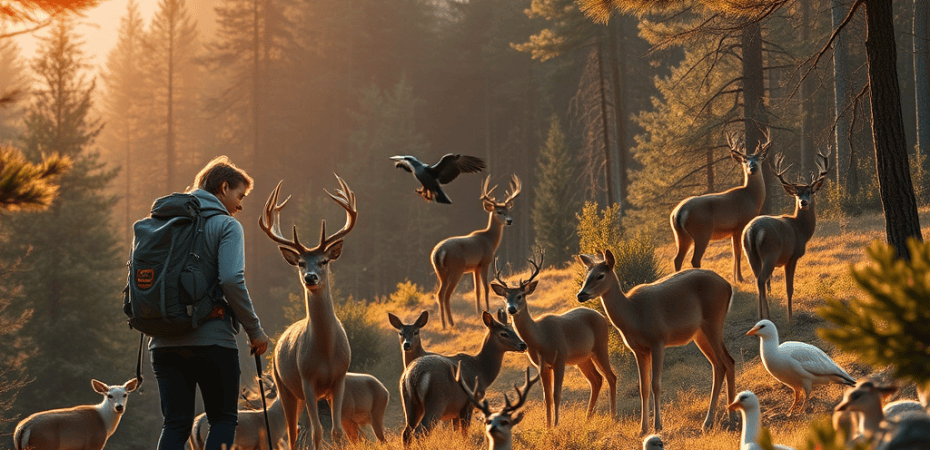
I could write a book about this value, but instead I will call upon Artificial Intelligence to help me write a long post outlining the benefits of connecting with animals.
Some of my biggest, life-changing epiphanies that I have experienced is when I was backpacking. Although my parents loved to camp, and I appreciated that, when I learned about backpacking I immediately fell in love with the concept when I was in college. Getting away from the noise, pollution, and distractions was what gave me so much satisfaction. My friends, Sue and Susan, accompanied me during my e can live close to nature is to learn to be more resilient. Practicing things like being resistant to cold, walking barefoot, sleeping outside, and being outside when it rains, all help us to be more resilient and allowing nature to help heal our ailments.
As vegans, connecting with animals, domestic and wild, helps us to know even more clearly why we do not want to inflict harm on animals. We can learn to communicate with them through various methods, and become friends even with the wild animals. It is possible to co-exist with deer, mice, rats, racoons, and other wild ones who often damage gardens and homes–without harming them, and we shall learn how to do that. Our experiences with animals will be precious and add a wonderful dimension to our lives.
Learning wilderness living skills and Native American skillsets will also help us live more in harmony with nature as well as help us survive if necessary.
Learning how to love, respect, and live in harmony with nature will benefit the planet, the animals, our own well being, and all of life. Teaching these skills to others will be very rewarding and yield a money-making business as well.
Last but not least is that raising children close to nature is very beneficial and the school that will eventually be created will incorporate the knowledge of schools that incorporate nature into their curriculum as the highest priority.
Artificial Intelligence has helped me to describe many of the items I have shared in the previous paragraphs.
“Living connected to nature offers numerous benefits for both physical and mental health. Here are some ways to easily integrate nature into your daily life and the benefits associated with it:
- Spending Time in Natural Settings: Regularly visiting parks, forests, or any green spaces can help reduce stress levels, improve mood, and boost overall feelings of well-being. According to studies, exposure to nature can also enhance mental health and social engagement.
- Increasing Physical Activity: Engaging in outdoor activities such as walking, jogging, or cycling can improve physical fitness and mental health. Being outdoors provides a natural setting that can help relax the mind and increase focus.
- Improving Sleep Quality: Exposure to natural light during the day can help regulate sleep/wake cycles, leading to better sleep at night. This can be particularly beneficial for those who experience seasonal affective disorder (SAD).
- Reducing Exposure to Air Pollution: Living closer to nature often means being away from heavily polluted urban areas. This can significantly reduce the risk of health issues associated with air pollution, which affects a large portion of the population.
- Enhancing Mental Health: Studies have shown that living near parks and green spaces can lead to less mental distress and a reduced risk of mental disorders, especially in children. Ecotherapy, which involves activities outside in nature, has been found to help with mild to moderate depression.
By incorporating these practices into your routine, you can enjoy the numerous benefits of living close to nature, enhancing both your physical and mental health.”
Cold Resistance
The Wim Hof Method is a technique that combines breathing exercises, cold therapy, and commitment to help individuals develop resistance to cold temperatures. It involves deep breathing, hyperventilation, and breath-holding, followed by exposure to cold environments such as ice baths or cold showers. This method aims to improve health and well-being by reducing stress, increasing energy levels, and enhancing sleep quality. Practitioners claim that the method can also reduce the need for medication in conditions like arthritis and rheumatism.
Benefits of Sleeping Outside
Sleeping outside offers several benefits for both your physical and mental health. Here are some of the key advantages:
- Improved Circadian Rhythm: Exposure to natural light and the natural day-night cycles can help regulate your body’s internal clock, making it easier to fall asleep and wake up naturally.
- Reduced Stress: The calming sounds of the outdoors can help reduce stress and anxiety, leading to a more relaxed state and better sleep quality.
- Boosted Immune System: Spending time outside exposes your immune system to beneficial microorganisms, which can strengthen your body’s defenses against harmful pathogens.
- Enhanced Cognitive Function: Fresh air and natural light can improve brain function, including better memory and concentration.
- Increased Happiness: Connecting with nature can boost your mood and overall sense of well-being, contributing to a more positive outlook on life.
To maximize the benefits of sleeping outside, it’s important to choose a comfortable sleep surface, minimize noise and light disturbances, and maintain a regular nighttime routine.
Benefits of Going Out in Rain
Being out in the rain offers several benefits for both physical and mental health:
- Cleaner Air: Raindrops wash away pollutants and impurities in the air, leaving behind cleaner, fresher air to breathe. This can have a positive impact on your respiratory health.
- Negative Ions: When raindrops hit the ground, they produce negatively charged ions in the air. These ions are believed to have a positive effect on mental health, helping to lift your mood and reduce stress.
- Physical Activity: Walking or engaging in other forms of exercise in the rain can boost your physical health. The slippery conditions can challenge your balance and coordination, while the need to be cautious can engage your muscles more than usual.
- Mental Health: Being outdoors, even in the rain, can be a powerful tonic for mental and emotional health. The sound of rain can be soothing and help reduce stress and anxiety.
- Nature Connection: Rainy days often lead to fewer people outdoors, making it easier to connect with nature and observe wildlife that may not be as visible during dry weather.
- Skin and Hair Benefits: High humidity levels during rain can help keep your skin and hair moisturized. Rainwater’s alkaline nature can also help maintain your skin’s pH levels and soften your hair.
- Social Interaction: Walking in the rain can provide social benefits, such as interacting with neighbors or community members, which can enhance your sense of connection and well-being.
These benefits highlight the positive aspects of embracing rainy weather and enjoying the outdoors despite the wet conditions.
Benefits of Going Barefoot
Going barefoot offers a variety of health and developmental benefits. Here are some of the key advantages:
- Improved Gait and Foot Strength: Walking barefoot can help restore your natural walking pattern, or gait, and strengthen the muscles, tendons, and ligaments in your feet, leading to better foot health and stability.
- Enhanced Sensory Stimulation: Direct contact with the ground allows the nerve endings in your feet to receive sensory information more effectively, which can improve awareness of body position and coordination.
- Better Circulation: The natural flexing and gripping motions of your feet while barefoot can stimulate blood flow and circulation, enhancing oxygen and nutrient delivery to muscles and tissues.
- Reduced Pain and Improved Balance: Barefoot walking can help with pain relief and improve balance, leading to better mechanics in other parts of the body, such as the hips, knees, and core.
- Connection to Nature: Walking barefoot can increase feelings of nature connectedness, which has been associated with boosting mood and increasing levels of happiness.
- Earthing or Grounding: This practice involves making physical contact with the earth’s surface to discharge excess electrical energy from the body, which is believed to have a healing effect at a cellular level.
- Developmental Benefits for Children: For children, going barefoot can enhance sensory stimulation, motor skills, and cognitive growth, promoting overall development.
However, it’s important to be cautious and aware of potential risks, such as exposure to harmful bacteria or injuries from sharp objects, uneven surfaces, or extreme temperatures. Always ensure a safe environment when walking barefoot, especially outside.
Benefits of Learning Wilderness Skills
Learning wilderness living skills offers several benefits, including improved survival chances, enhanced self-reliance, and a deeper appreciation for nature. These skills can be crucial in emergency situations and can also be applied in everyday life. Additionally, wilderness survival training can foster character growth, teach respect and appreciation for the natural world, and create strong bonds among participants and instructors. Engaging in such activities can also provide a fun and challenging experience for young adults, promoting outdoor education and personal development.
Benefits of Gardening
Gardening offers a range of benefits for both emotional and physical health. Emotionally, it can improve mood and reduce stress, anxiety, and depression levels. Gardening activities can help focus attention on immediate tasks, reducing negative thoughts and feelings, and enhancing overall psychological well-being. It also boosts self-esteem as individuals see their efforts result in healthy plants, which can increase feelings of pride and accomplishment.
Physically, gardening provides low-impact exercise, improving strength and stamina. Regular gardening activities can release dopamine, the feel-good hormone, which contributes to better memory, less anxiety, and a happier mood. Additionally, gardening can lead to healthier eating habits, as those who grow their own vegetables tend to consume fresher produce rich in vitamins, minerals, and antioxidants, often with fewer preservatives and pesticides.
Engaging in gardening can also enhance social interaction and provide a sense of achievement, further contributing to mental well-being. The act of nurturing plants and seeing them grow can be a meditative and spiritually fulfilling experience, promoting relaxation and reducing fatigue.
Living Close to Nature Benefits Health
Living close to nature can foster a greater appreciation and respect for the environment, which can lead to better treatment of nature. Research indicates that exposure to natural settings can reduce stress and enhance mood, potentially making individuals more empathetic and cooperative. This improved emotional state and increased empathy may translate into a stronger desire to protect and care for nature. Additionally, engaging in activities like gardening or wildlife observation can deepen a person’s connection to the natural world, further encouraging responsible and respectful behavior towards it.
Communicating with Domestic and Wild Animals
Communicating with both domestic and wild animals is a topic of interest and has been explored in various contexts. According to wikiHow, you can communicate with animals by observing their body language and vocalizations, and by talking to them in a quiet and relaxed tone. This method applies to both domesticated pets and wild animals, although it’s important to be cautious when approaching wild animals to avoid any potential danger.
In the case of domestic animals, such as dogs and cats, communication can be more established and involves understanding their specific behaviors and vocalizations. For example, a dog might freeze and tense its body to indicate uncertainty or a potential threat, while a cat might flick its tail quickly to show anger.
Regarding wild animals, some researchers have found ways to communicate with specific species, such as dolphins and orcas. Diana Reiss and Denise Herzing, for instance, have developed methods to communicate with dolphins using artificial whistles, and there is evidence of dolphins and orcas signaling to humans to assist in hunting.
It’s also worth noting that some individuals claim they can communicate with animals that have passed away, suggesting a form of telepathic connection.
Benefits of Raising Children Close to Nature
Raising children close to nature offers numerous benefits that positively impact their development in various ways. Here are some key advantages:
- Physical Health: Exposure to natural environments encourages physical activity, which is essential for maintaining a healthy weight and overall fitness. Activities like walking, running, and playing in natural settings can help children build strong bodies and improve their motor skills.
- Mental Health: Nature has a calming effect that can reduce stress and anxiety. Spending time outdoors can help children feel more relaxed and less fatigued, which is particularly beneficial for those with Attention Deficit Hyperactivity Disorder (ADHD).
- Cognitive Development: Interacting with nature stimulates curiosity and encourages children to ask questions, fostering a sense of wonder and exploration. This can enhance cognitive skills, such as problem-solving and critical thinking.
- Social Skills: Outdoor play often involves collaboration and communication, which can improve social skills. Children learn to share, take turns, and resolve conflicts, all of which are crucial for building healthy relationships.
- Emotional Well-being: Being in nature can boost self-esteem and resilience. It provides a space for children to feel competent and capable as they engage in activities like climbing trees or building forts.
- Environmental Stewardship: Early exposure to nature helps children develop a connection to the environment, which can inspire a lifelong commitment to protecting and preserving natural resources.
- Creativity and Imagination: The open-ended nature of outdoor play allows children to use their imagination freely, creating games and scenarios without the constraints of structured indoor activities.
- Responsibility: Caring for plants or animals in a natural setting can teach children about the importance of responsibility and the consequences of their actions, as they see the direct impact of their care or neglect.
Overall, raising children close to nature supports their holistic development, enhancing their physical, mental, emotional, and social well-being.
Nature-Based Schools
There are several types of schools that emphasize nature in their curriculum and have children spend a significant amount of time outdoors. Some examples include:
- Forest Schools: These schools take place entirely in the natural world, where children learn through play-based activities in a forest or woodland environment.
- Outdoor Schools: These schools prioritize outdoor learning, often incorporating nature-based education into their curriculum.
- Green Schools: These schools focus on sustainability and environmental education, often incorporating outdoor learning into their curriculum.
- Waldorf Schools: These schools emphasize a holistic approach to education, often incorporating nature-based learning into their curriculum.
Some notable examples of schools that emphasize nature in their curriculum include:
- Fuji Kindergarten in Tokyo, Japan: This kindergarten has wall-less classrooms and ample sunlight, allowing children to learn and play in a natural environment.
- Shady Side Academy in Pittsburgh, Pennsylvania: This school has a 17-acre campus with outdoor learning spaces, including a treehouse classroom and student garden.
- Park Day School in Oakland, California: This school has a 4-acre campus with outdoor learning spaces, including an outdoor innovation workshop and greenified space with gardens and flora.
These schools often have a strong focus on environmental education, sustainability, and outdoor learning, and may incorporate nature-based activities into their curriculum.

