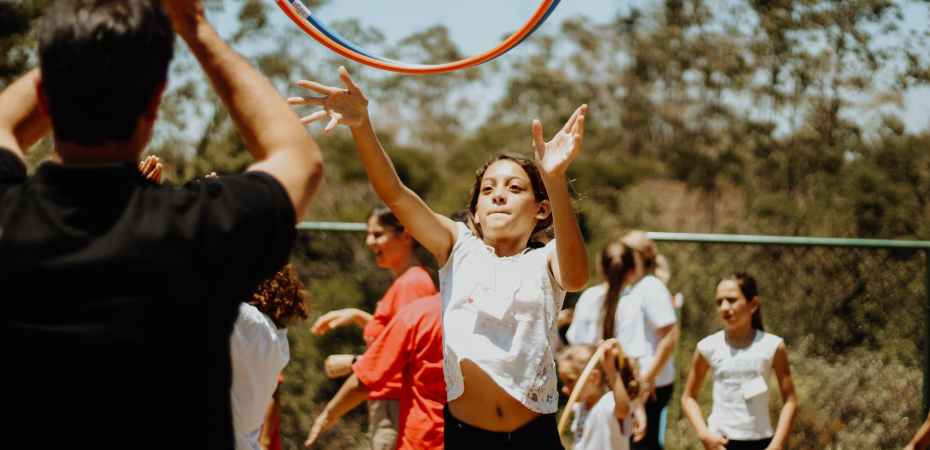
Providing a safe and wholesome environment for families and children, and educating them in ways that are truly life-giving and effective in today’s world, are good reasons for people to join a vegan intentional community. Having a school and offering continuing education can be a source of income as well as help make the community a rich environment so that the vegan vision can blossom and grow in the next generation
A very effective way of educating which is gaining momentum, similar to veganism, is Unschooling. Unschooling is often called “child-led learning.” As this name suggests, unschooling allows children to follow their own interests at their own pace, without direction from adults. In this sense, parents act less as teachers and more as facilitators, watching to see what the children are interested in, and then providing the environment, resources, and opportunities to explore those interests. Using unschooling as the main way of educating children really supports the vegan lifestyle where we are helping people get out of the cultural mindset of following norms that are not healthy. Unschooling promotes critical, creative thinking.
Global Village School can provide people with the vision, passion, and courage to start an educational venture with curriculum support, official school records, certificates of completion (K-8) and, in certain cases, transcripts (9-12). This school is especially supportive of the unschooling philosophy. A vegan community school would be a great way to do outreach and to provide financial support for the community.
Continuing education benefits the community by also providing a source of volunteers, interns, and paid participants. In addition, the community members are enriched immensely by hosting educators and participating in the learning process themselves. From an interview with Seed the Commons:
“Gentle World has been an intentional community for close to 50 years and an educational organization for almost 40 years. Our mission is to help create a more peaceful world by educating the public about the benefits of vegan living, the reasons for being vegan, and how to go about making the transition”.
“We do that in many different ways: we give workshops on cooking and veganic gardening, one-on-one consultations and seminars, and we’ve even made and shown films. We have an educational website with articles covering all sorts of topics related to veganism. We also have a one-of-a-kind visitor program where people from all over the world come and participate in the maintenance of our two educational centers, in Hawaii and in New Zealand. This gives people the opportunity to learn about veganism along the way, including how to cook and grow food”.
“When people come here, they often find that there’s something about the environment and the feeling that we’ve created together that makes them feel very at home, comfortable and inspired. It allows them to open up to the vegan message in a different way than, for instance, reading a leaflet or watching a film. It’s an experience of being in a community where being vegan is just the normal way of life and where they are able to see the effects of veganism on people of all different ages who have been vegan for a long time. There have been people who have told us they could never give up meat, and by the time they leave, they had become committed vegans. It’s a beautiful thing to be a part of.”
“Diana Christian looks at what is known about raising children in community, drawing on surveys, panel discussions, lectures, and a wealth of literature. She gives an overview of the pros and cons, comparing the differences one is likely to find in larger and smaller communities, new and established ones, homeschool versus private school options. She ends with key questions that parents might ask in evaluating a prospective community home.”
Resources:
Loveless, Becton. “What is Unschooling?” Education Corner.
“Gentle World”. Seed the Commons.
“Raising and Educating Children in Community”. Fellowship for Intentional Community.

