
My vision has changed many times over the years, but now I’m 99 percent sure I’ve settled on my main vision: a think tank of animal rights activists building an umbrella network, with local chapters that support every person and group working for animals without competing with any of them. The heart of it is a cooperative community on land held in a land trust. People who share this vision and live together can be far more effective, because we’re together so much and can get more done. We can also model a vegan cooperative community, which is much needed. It will start with me living on the land or nearby and reaching out to people who share my vision and values, who will eventually join me in living here. As we live and grow together, the vision can evolve. These articles, written over the past thirteen years, let you get to know me and my history along the way.
“Hügelkultur, meaning “hill culture” or “mound culture” in German, is an old European system of composting logs, branches and other woody material by covering them with compostable plant materials and then covering the whole lot with a thin layer of soil to create a mound which can be planted up as a form of mounded raised garden bed.” (Definition taken from this article from Deep Green Permaculture)
When I first heard of Hugelkultur gardening around 6 years ago, I was immediately attracted to the concept and I implemented it in a gardening job I was doing. The results were astonishing and encouraging! I had the biggest squash plants I ever grew, and all the plants thrived. It was an easy way of taking over part of a front yard lawn. The daring owner of the property was willing to take this risk. I have been gardening for 45 years, and finding this technique was exciting because it has so many benefits.
Here are the benefits: (excerpted from this article from Homestead or Dead website. )
- Utilize fallen or dead trees.
- Extend your growing season thanks to the heat from the composted wood.
- Increase soil aeration from decaying materials
- Avoid unnecessary hard labor like tilling and digging.
- Provide your bed with essential nutrients for decades.
- And best of all, you could potentially never have to water your garden again since the logs retain rainwater and release it when the soil is dry.
I feel grateful to my friend Stefanie who inspired me to write this article. By doing so, I learned some things that are going to help me with my hugelkultur gardening. I am going to be re-doing an entire garden because it has been neglected and needs major work. Now, with my newly-researched hugelkultur skills, I will be able to make the greatest garden I have ever made.
I have been working with this permaculture gardening technique ever since, and figuring out how to keep improving the technique. It’s definitely not rocket science, but there are aspects of the method that can be tricky. I am finding that I combine lasagna gardening with hugelkultur. What I love about both these methods is that I don’t have to have a separate compost pile. Kitchen waste, grass clippings, leaves, and even brush can go into this bed.
It is kind of like planting in a compost pile. If you have ever had a volunteer plant growing out of a compost pile, you know how thriving and vibrant that plant is!
In the 6 years or so that I have been working with Hugelkultur, I have seen a huge increase videos and articles about the topic. I actually hired some people to produce a video about the topic because there were very few videos about the topic. Unfortunately, I realized that the information was not presented in a way that was totally accurate, and I have taken the video off of Youtube. Seeing so many videos produced gives me confidence that Hugelkultur is here to stay, and that as more people get on the bandwagon, together we will continue to improve this technique.
I really like this article from Homestead or Dead which gives an overview of 3 ways to do hugelkultur: above ground, in a ditch that you dig (which I really like), and in containers.
Here is an excerpt from this article:
If you want a more traditional garden look, a hugelkultur swale may be right for you as the logs will sit underground rather than on top like a mound.
- Find an existing ditch or dig one that is deep enough to hold your materials.
- Layer cardboard or paper in the ditch.
- Pile your logs, branches, and wood chips into the ditch.
- Add a layer of sod upside down on top of the wood.
- Add your organic hugelkultur layers, such as leaves, straw, grass and garden clippings, kitchen scraps, and manure.
- Finish with a layer of soil. You can plant your seeds immediately or let the materials set over the winter for a more nutrient-rich soil.
I found a lot of great tips in this 5 Steps to Creating the Perfect Hugelkultur Garden from Morning Chores homesteading website. I found a new idea I hope to utilize:
“You can combine hugel gardening with straw bale gardening for a nice look and more growing space. Use the straw bales as the border of your hugel garden.”
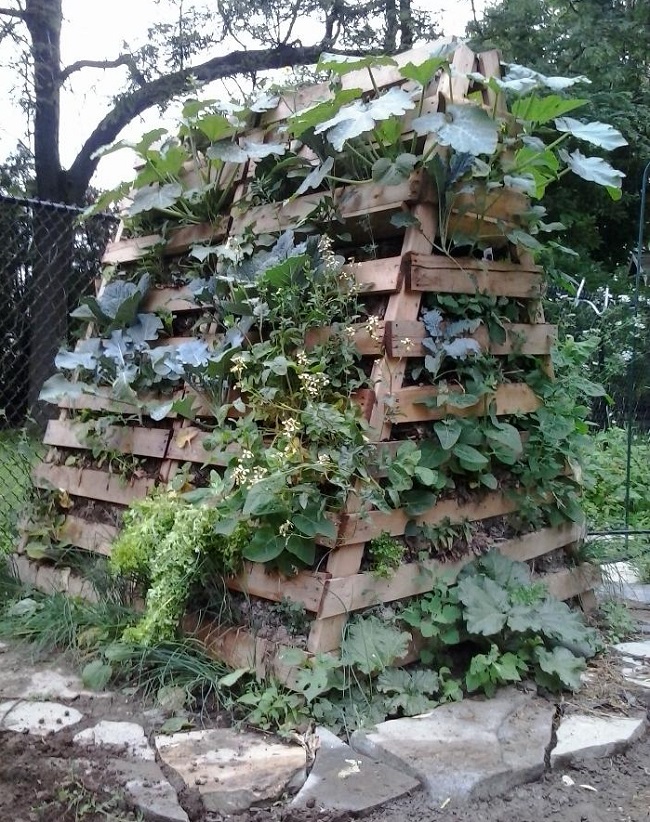
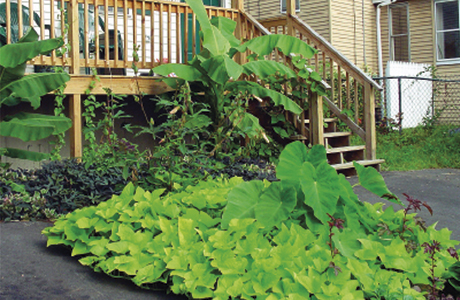
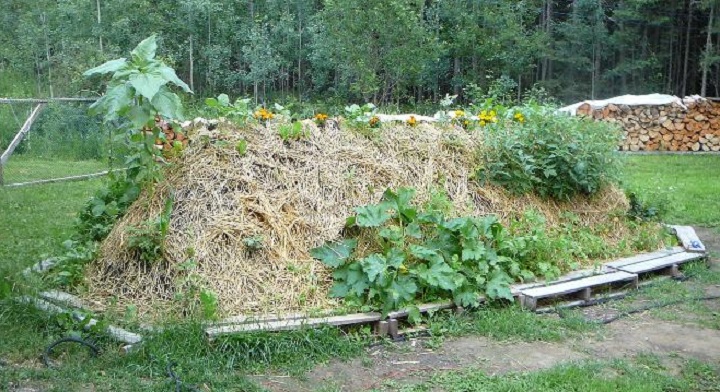
This article, The Many Benefits of Hugelkultur from http://www.Permaculture.co.uk adds some unique advice, including using pallets to help contain the sides. I love this idea! The following pictures of hugelkultur gardening come from this article. Aren’t they inspiring?
Here are some videos to help you get started:
Here are a few tips that I want to offer that I haven’t seen yet:
Use urine and ash for fertilizer. I know-this might sound gross–but this article shares scientific proof that this is great for the garden.
Consider using “humanure” for fertilizer. Check it out here.
…………………
I recommend two ways to go about building your hugelkultur mound. Do an immersion into research with the articles and videos I have provided. Or, just take one of the articles, follow the directions, and experiment. Both ways can work. I am realizing that I want to do a reassessment of my knowledge about hugelkultur. With any great concept, people are always finding ways to improving the concept. Hugelkultur is no exception.
I hope this has been inspiring and helpful. Hugelkultur gardening can transform our way of growing food in such a positive way–maybe to the point where everyone can have healthy, nutrient-dense food. I would love to know what your results are.

