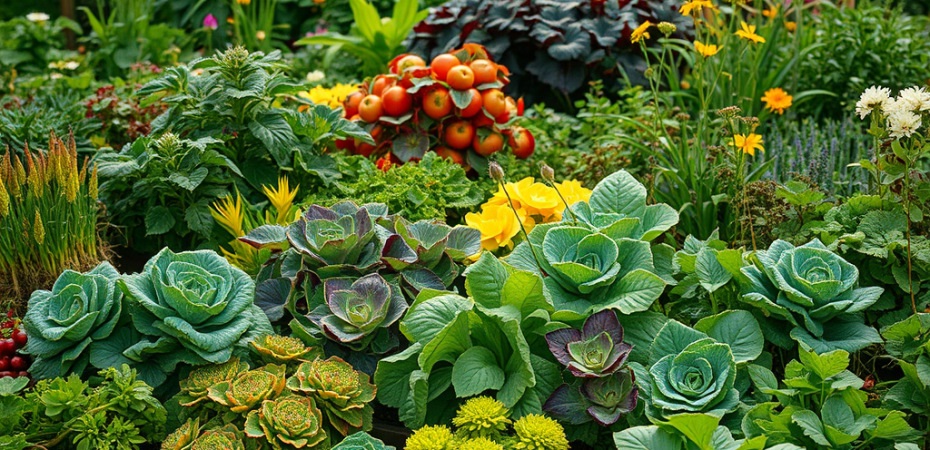
This is all AI generated. Thank you AI!
Vegan permaculture is an approach to sustainable living and regenerative design that integrates the principles of veganism and permaculture. It emphasizes the creation of self-sufficient, eco-friendly systems that prioritize the well-being of all living beings, including humans, while minimizing harm and exploitation.
Key Principles:
- Vegan ethics: Vegan permaculture adheres to the principles of veganism, rejecting the exploitation and harm of animals for food, clothing, or other purposes.
- Permaculture design: Vegan permaculture applies the design principles of permaculture, which aim to mimic natural ecosystems, promote biodiversity, and optimize resource use.
- Animal-free systems: Vegan permaculture systems do not rely on domesticated animals for labor, food, or other purposes. Instead, they focus on using natural processes and human labor to maintain the system.
- Composting and recycling: Vegan permaculture emphasizes the importance of composting and recycling to minimize waste and create nutrient-rich soil.
- Diverse and resilient ecosystems: Vegan permaculture designs prioritize the creation of diverse, resilient ecosystems that can adapt to changing conditions and minimize the need for external inputs.
Practices and Strategies:
- Mulching and cover cropping: Using mulch and cover crops to retain soil moisture, suppress weeds, and regulate soil temperature.
- Companion planting: Pairing plants to promote beneficial relationships, reduce pests and diseases, and increase biodiversity.
- Polycultures: Growing multiple species together to mimic natural ecosystems and promote ecological interactions.
- Rainwater harvesting: Collecting and storing rainwater for irrigation and other non-potable uses.
- Minimal tillage or no-till: Reducing soil disturbance to preserve soil structure and promote soil biota.
Examples and Applications:
- Gardens and orchards: Vegan permaculture gardens and orchards can be designed to produce a diverse range of fruits, vegetables, and grains, using techniques like companion planting and polycultures.
- Urban agriculture: Vegan permaculture can be applied to urban settings, such as community gardens, rooftop gardens, and backyard permacultures.
- Small-scale farming: Vegan permaculture principles can be used on small-scale farms, focusing on local food systems and minimizing external inputs.
- Eco-villages and intentional communities: Vegan permaculture can be integrated into eco-villages and intentional communities, providing a framework for sustainable living and cooperative resource management.
Conclusion:
Vegan permaculture offers a powerful approach to sustainable living, combining the ethics of veganism with the design principles of permaculture. By embracing animal-free systems and promoting ecological harmony, vegan permaculture can help create resilient, regenerative ecosystems that benefit both humans and the natural world.Follow up
- What are some specific crop rotation strategies used in vegan permaculture to maintain soil fertility and minimize pest issues?
- What role do mushrooms and mycoremediation play in vegan permaculture, and how can they be used to improve soil health and remediate pollutants?
- How do vegan permaculture practitioners integrate composting and recycling into their systems, and what types of materials are typically composted?
- Based on the search results, here are some notable websites and resources related to vegan permaculture:
- Spiralseed: A website offering courses, workshops, and resources on permaculture, veganism, and sustainable living. They provide a beginner’s guide to permaculture and support the Vegan Organic Network.
- Wild Earth Farm & Sanctuary: A farm and sanctuary focused on vegan permaculture, growing food for themselves and their communities, and caring for abused, neglected, or abandoned farmed animals.
- Veganic Permaculture: A website offering insights and resources on vegan permaculture design, including courses, articles, and sources on its productivity and fulfillment.
- Find a Farm: A directory of veganic farms and permaculture projects around the world, including:
- Garden at Tree of Life Center US (Arizona)
- Cali-Dragon Farm and Orchard (California)
- Shadle Farm (Connecticut)
- Friendship Farms & Fare (Florida)
- La Colina Linda (Illinois)
- Ken’s Karetaking (Wisconsin)
- Featherview Banana Farm (New South Wales, Australia)
- Drimlabarra Herb Farm (Isle of Arran, Scotland)
- These websites and resources offer a wealth of information on vegan permaculture principles, design, and implementation, as well as opportunities to connect with like-minded individuals and communities.Follow up
- What are the most effective permaculture designs for small-scale, urban veganic gardens?
- Can veganic permaculture be scaled up for large-scale commercial production, and what are the challenges?
- How do vegan permaculture principles differ from conventional organic farming practices, and what are the benefits?
r/Permaculture on Reddit: Veganism and Permaculture Regenerative Farming…veganicpermaculture.comOne Path towards Veganic Permacultureveganorganic.netPlant-based permaculture | Vegan Organic Network\


