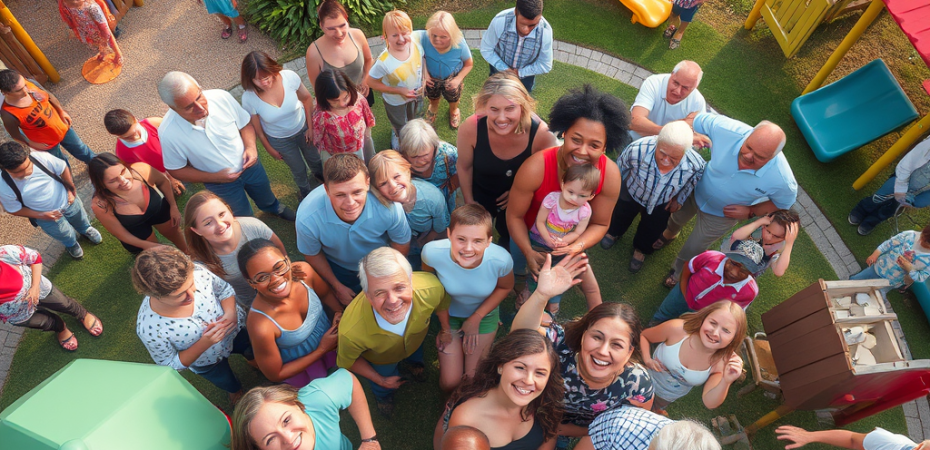
When I decided to create a school as a way to support the holistic healing center, I was compelled (perhaps by Holy Spirit?) to call it an “Intergenerational School.” As a grandparent, I want to participate in my grandchildren’s education. Fortunately they are homeschooled, but I want to make a school where my son, daughter-in-law, and my daughter and son-in-law would be able to contribute by teaching and learning. I also strongly believe that older people are valuable resources and they often get neglected as wonderful sources of knowledge.
Another important reason is because I want to train people to help run the holistic healing center. Since so much of the healing comes from life-style changes and natural healing methods which do not require licenses or certification, the practitioners at the Center can teach people of all ages the various skills. The students get on the job training, and the Center staff gets volunteer help. That is a win win!
Finally, I just long to start a school to give people an alternative to public schools. I was fortunate to have two fathers (both now are former husbands), who supported homeschooling. We were always living on the edge, and it wasn’t easy to homeschool, but we knew it was essential in order for our children to be able to adopt our values.
I just decided to do some research to see if intergenerational schools exist, and I am glad to see that they do. AI provided all of the information below, and for that I am grateful. Here it is:
Definition
An intergenerational school is an educational institution that brings together students of different ages, typically spanning multiple generations, to learn from one another and promote intergenerational relationships and understanding.
Some examples of intergenerational schools include:
- Multi-age classrooms: Classrooms that combine students of different ages, such as elementary school students learning alongside high school students or seniors.
- Intergenerational mentorship programs: Programs that pair older students or adults with younger students to provide guidance, support, and learning opportunities.
- Senior-led learning communities: Communities where older adults take on leadership roles in teaching and mentoring younger students, often focusing on specific subjects or skills.
- Co-located schools: Schools that bring together students of different ages under one roof, allowing for easy interaction and collaboration between students of different generations.
These types of schools aim to break down age barriers and promote mutual learning, respect, and understanding between students of different ages.
Examples of intergenerational schools:
- The Green School in Bali, Indonesia – This school combines students of different ages in a multi-age learning environment, where students from kindergarten to high school learn together.
- The Sudbury Valley School in Framingham, Massachusetts, USA – This democratic school allows students of different ages to learn together in a self-directed environment, with older students taking on leadership roles.
- The Kibbutz Ein Gedi School in Israel – This school brings together students of different ages in a multi-age learning environment, with a focus on hands-on learning and community service.
- The Sudbury School in Melbourne, Australia – Similar to the Sudbury Valley School in the US, this school allows students of different ages to learn together in a self-directed environment.
- The Intergenerational School in Chicago, Illinois, USA – This school pairs students of different ages in mentorship programs, where older students provide guidance and support to younger students.
These examples illustrate different approaches to intergenerational learning and demonstrate the potential for students of different ages to learn from and with each other.
Elders, high school graduates, and middle-aged people participate with younger children
- The Downshall Primary School in Ilford, East London: This school has a program where older adults interact with select children in a dedicated activity center, which has seen students’ progress in literacy and communication skyrocket.
- The Native American Community Academy (NACA) and schools in the NACA Inspired Schools Network (NISN): These schools have hired elders to provide instruction in indigenous languages and knowledge keepers to share traditional cultural practices.
- The Anchorage School District in Alaska: The “Gui Kima” program invites Indigenous elders to classrooms to share their knowledge and stories with students.
- The Intergenerational School in Chicago, Illinois: This school pairs students of different ages in mentorship programs, where older students provide guidance and support to younger students.
- The AARP Foundation Experience Corps program: This program provides grants to 20 organizations that coordinate seniors to volunteer as tutors in schools, especially in early literacy.
- The Fundación Mi Sangre (FMS) program in Colombia: This program brings together youth and elders to reimagine public spaces through art, music, and conversation.
- The Link Generations program: This program educates middle and high school students about aging and best practices for working with older adults, and facilitates intergenerational programs that students lead with older adults.
- The STEP – Sharing Teens and Elders Project: This program is a multi-generational program where teens and elders gather to bridge the generations through the Art of Conversation.
These examples demonstrate the potential for intergenerational learning and collaboration in various settings, including schools, community programs, and non-profit organizations.
Intergenerational Learning in School Settings
There are various examples of children and young people teaching adults and seniors in a school setting. Here are a few:
- Wired for Connections/Mentor Up: A club at Carmel High School in California, where teenagers share their tech knowledge with senior citizens in one-on-one mentoring sessions.
- Educational partnerships: Collaborations between K-12 schools and senior centers or homes, which offer benefits for students, teachers, and the elders, including enriched lessons and boosted social and emotional skills.
- Senior Center Visits: Some schools have programs where students visit senior centers to teach seniors about technology, such as using smartphones or computers.
- Reverse Mentorship: Some schools have programs where seniors are paired with students to teach them about their life experiences and skills, such as cooking, gardening, or woodworking.
These programs not only help seniors learn new skills but also provide opportunities for intergenerational learning, socialization, and community building.
Benefits of Intergenerational Learning
Intergenerational learning has numerous benefits for both children and adults, including:
- Improved mental and emotional wellness
- Increased social connections and community engagement
- Enhanced understanding and appreciation of different generations and cultures
- Development of important life skills, such as empathy, communication, and problem-solving
How To Set Up
Setting up an intergenerational school involves creating a learning environment where people of different ages and backgrounds come together to share knowledge, skills, and experiences. Here’s a brief overview of the steps to consider:
Define the Mission and Goals
- Determine the purpose and objectives of the intergenerational school.
- Identify the target audience and age range.
- Establish clear guidelines and expectations for participants.
Create a Supportive Environment
- Facilitate Communication: Establish open communication channels among participants, staff, and volunteers.
- Build Trust: Foster a sense of community and trust among participants.
- Provide Resources: Ensure access to necessary resources, such as materials, equipment, and technology.
Develop Programs and Activities
- Intergenerational Learning: Design programs that bring together participants of different ages to share knowledge and experiences.
- Workshops and Classes: Offer a variety of workshops and classes that cater to different interests and skill levels.
- Community Engagement: Encourage participation in community projects and events.
Staffing and Volunteers
- Hire Staff: Recruit experienced educators, facilitators, and administrators.
- Volunteer Management: Establish a system for managing volunteers and ensuring their integration into the school’s operations.
Logistics and Operations
- Secure Facilities: Find or create a suitable location for the school.
- Develop Policies: Establish policies for enrollment, attendance, and behavior.
- Manage Finances: Create a budget and plan for funding the school.
Intergenerational Learning: A Valuable Resource for Homeschoolers
Intergenerational learning offers numerous benefits for homeschoolers, including:
- Mentorship: Older family members or community members can share their life experiences, skills, and knowledge with younger learners, providing a unique perspective and guidance.
- Cross-generational connections: Interacting with people from different age groups fosters empathy, understanding, and a sense of community, helping homeschoolers develop essential social skills.
- Access to diverse skills and expertise: Grandparents, aunts, uncles, or other older family members may possess specialized skills or hobbies that can be passed down to younger generations, enriching their educational experience.
- Preservation of family history and traditions: Intergenerational learning allows homeschoolers to learn about their family’s history, cultural heritage, and traditions, promoting a sense of identity and connection to their roots.
By incorporating intergenerational learning into their homeschooling approach, students can gain valuable insights, develop important life skills, and build lasting relationships with their family members and community.
Website With Support
- The Intergenerational School: This website provides information on their mission, history, and programs, as well as resources and articles on intergenerational learning.
- Generations United: This organization has a wealth of information on intergenerational programs, including a section on setting up intergenerational schools and a list of resources.
- Intergenerational Learning Partners: This website provides information on their programs and services, including intergenerational learning partnerships and community engagement.
- National Council on Aging: This organization defines intergenerational programming and provides information on its benefits and how to set it up.
- Extension and Outreach: This website provides articles and resources on intergenerational programming, including a section on setting up intergenerational schools and a list of resources.
Additionally, the search results include articles and research papers on intergenerational learning, which may provide valuable insights and information on setting up an intergenerational school.

